
All guides

Restoration articles

Expert guides, tips, and insights to help you understand water damage restoration and protect your property.

3 min readGuide

How Much Does Water Damage Restoration Cost in San Jose?

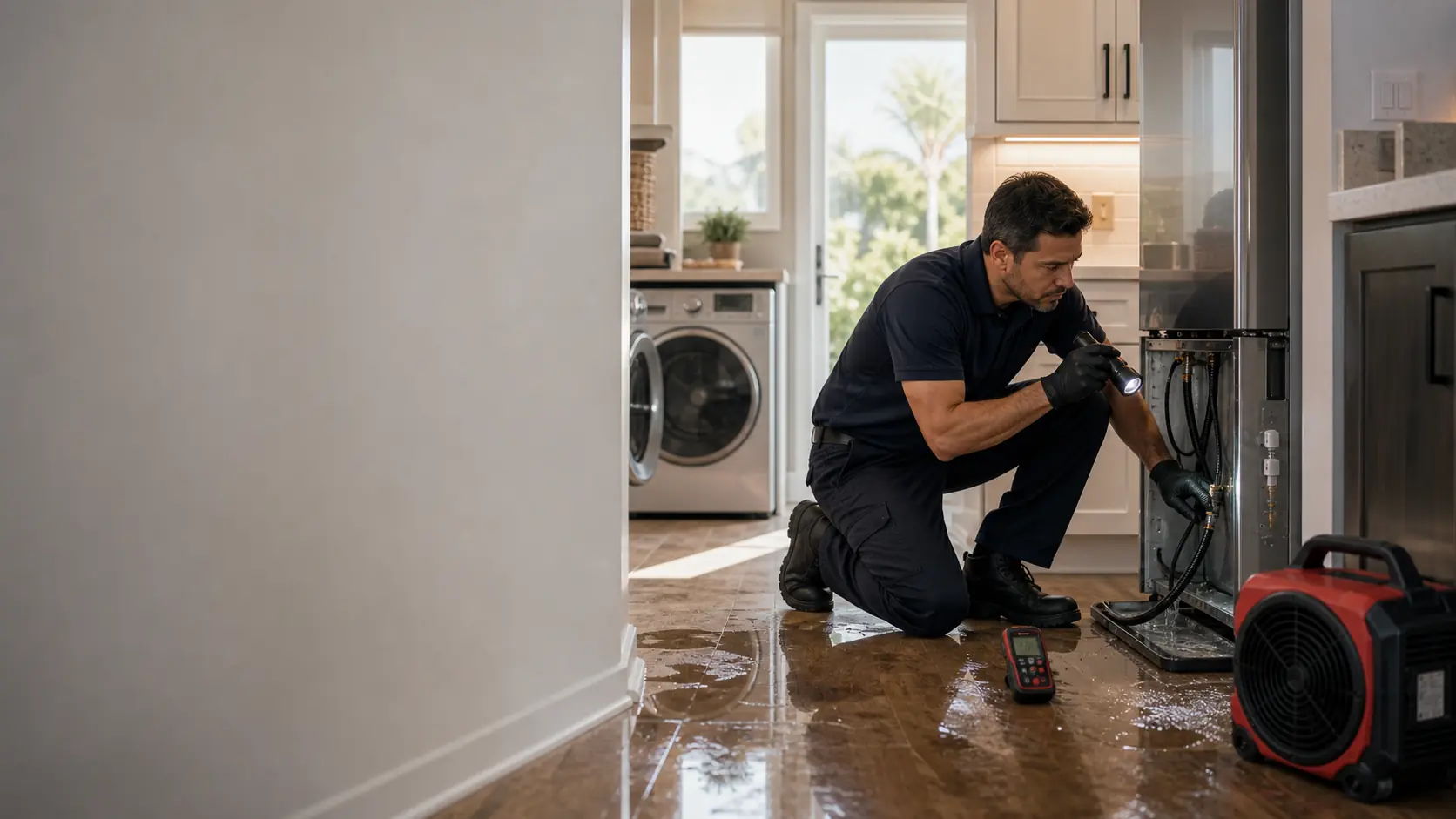
If you're staring at a flooded floor, "what is this going to cost?" is probably your first question. The honest answer: it depends — but understanding what it depends on helps you avoid surprises and spot a fair estimate. Costs range widely, from a few hundred dollars for a small, clean-water cleanup to several thousand or more for extensive damage involving multiple rooms, contaminated water, or structural repairs.

Read guide
3 min readGuide

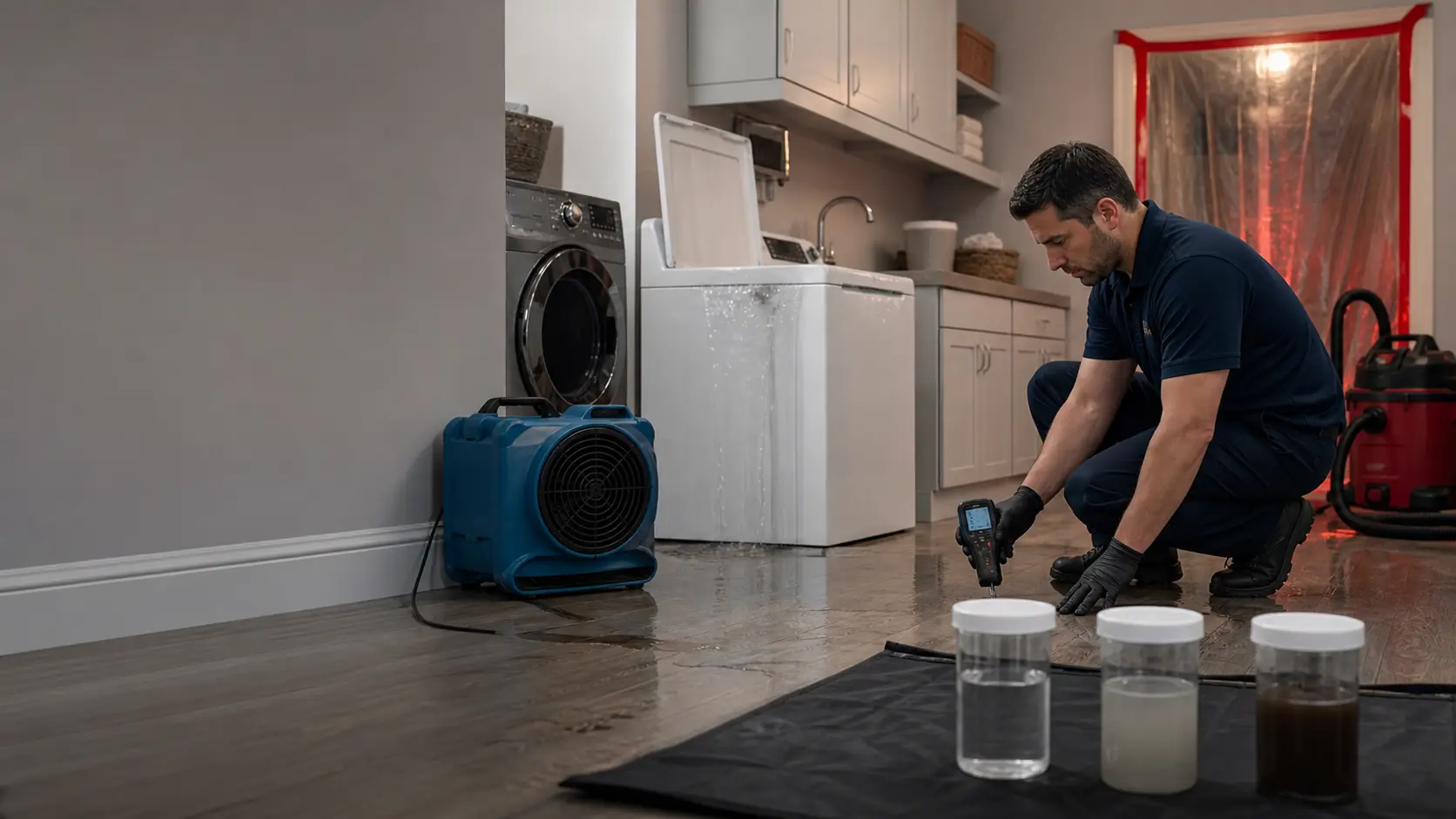
Does Homeowners Insurance Cover Water Damage?

It's the question on every homeowner's mind the moment water appears: will my insurance pay for this? The general answer is that homeowners policies typically cover water damage that's sudden and accidental — but not damage from gradual neglect or from flooding, which is a separate category. Here's how to tell which bucket your situation falls into. (This is general information, not insurance advice — always check your specific policy and confirm with your insurer.)

Read guide
3 min readGuide

Is Black Mold Dangerous? What South Bay Homeowners Should Know

Few household words cause as much panic as "black mold." The internet is full of frightening claims — but the reality is more measured than the headlines suggest. Here's an honest, balanced look at what black mold is, what it can and can't do, and what you should actually do about it. (This is general information, not medical advice — for health concerns, talk to a doctor.)

Read guide
3 min readGuide

What to Do Immediately After a House Fire

The aftermath of a house fire is overwhelming and disorienting. Knowing the right steps — in the right order — helps you stay safe, protect your family, and set up the recovery to go as smoothly as possible. Here's what to do. (General guidance; always follow instructions from fire officials.)

Read guide
3 min readGuide

Burst Pipe? Steps to Take Before Help Arrives

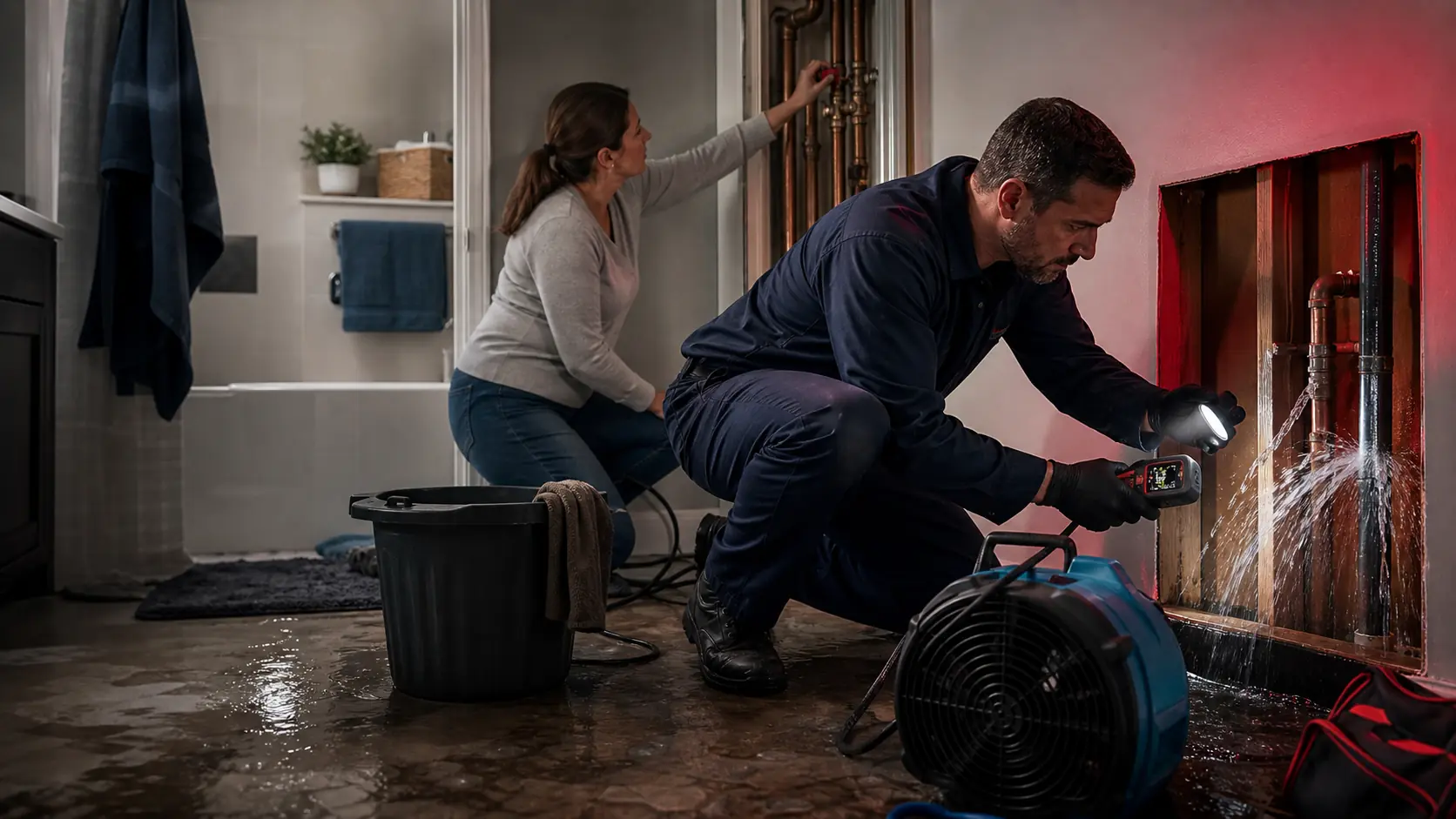
A burst pipe is one of the fastest-moving home emergencies there is — it can flood a room in minutes and send water through ceilings and into floors below. What you do in the first few minutes genuinely affects how much damage you're left with. Here's exactly what to do, in order. (General guidance.)

Read guide
3 min readGuide

Sewage Backup: Health Risks & What NOT to Do

A sewage backup is one of the few home emergencies that's genuinely a health hazard, not just a mess. The water involved — what the industry calls Category 3 "black water" — carries bacteria, viruses, and other pathogens. This is the one situation where the "what NOT to do" list matters as much as the cleanup itself. Here's what you need to know. (General information, not medical advice — for any exposure or health concerns, contact a doctor.)

Read guide
3 min readGuide

How Long Does Water Damage Restoration Take?

When your home is disrupted, you want a timeline. The short answer: drying typically takes 3–5 days, while full restoration — including any repairs — can take anywhere from a few days to several weeks depending on the severity. Here's how that breaks down.

Read guide
3 min readGuide

Signs of Hidden Water Damage in Your Walls

The most expensive water damage is the kind you can't see. A slow leak inside a wall can quietly soak framing and insulation for weeks, leading to rot and mold before anything obvious appears. Catching it early saves money and protects your health. Here's what to watch for.

Read guide
3 min readGuide

Slab Leaks in San Jose Homes: Signs & What to Do

A huge share of South Bay homes — across San Jose, Cupertino, Sunnyvale and beyond — are built on concrete slab foundations. That construction is durable, but it has one notable vulnerability: slab leaks, where a water line running beneath the foundation springs a leak. Because the water is hidden under concrete, these leaks can run for weeks before you notice, quietly causing damage and feeding mold.

Read guide
3 min readGuide

Is It Safe to Stay in My Home After Water Damage?

After water damage, you're juggling cleanup, insurance, and daily life — and wondering whether you can stay put or need to leave. It depends on a few key safety factors. Here's how to think it through. (This is general guidance, not professional safety or medical advice — when in doubt, consult the appropriate professionals.)

Read guide
3 min readGuide

How to Spot Water Damage When Buying a Home

In a competitive South Bay market, it's easy to fall for a home and overlook red flags. But past or hidden water damage can mean expensive repairs and lingering mold after you've signed. Here's how to spot the warning signs during a showing — before it becomes your problem.

Read guide
3 min readGuide

Commercial Water Damage: Minimizing Business Downtime

When water damage hits a commercial property, the clock starts immediately — and every hour closed costs revenue, disrupts tenants, and tests customer loyalty. Whether it's a burst pipe in an office, a roof leak over retail, or a supply failure in a restaurant, a fast, organized response is what gets you operating again. Here's how to minimize the downtime.

Read guide
3 min readGuide

How Professional Structural Drying Works

Here's the thing most people don't realize after a flood: getting the standing water out is only the beginning. Water wicks deep into drywall, subfloors, framing, and insulation, where it's invisible — and where it feeds mold within 24–48 hours if it isn't removed. Professional structural drying is the science of getting all of that hidden moisture out, properly and verifiably. Here's how it works.

Read guide
3 min readGuide

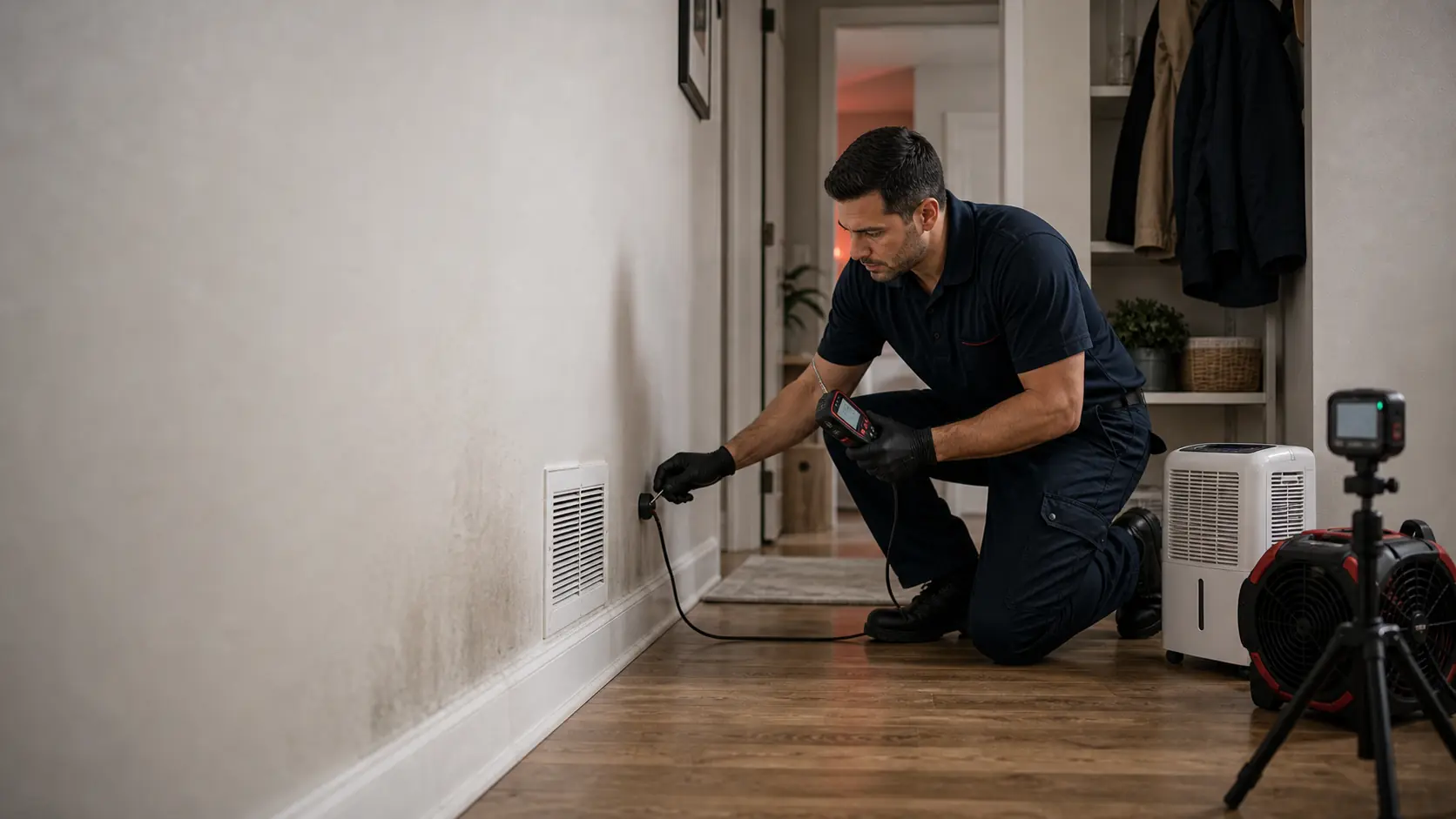
Ceiling Water Stains: Causes & When to Worry

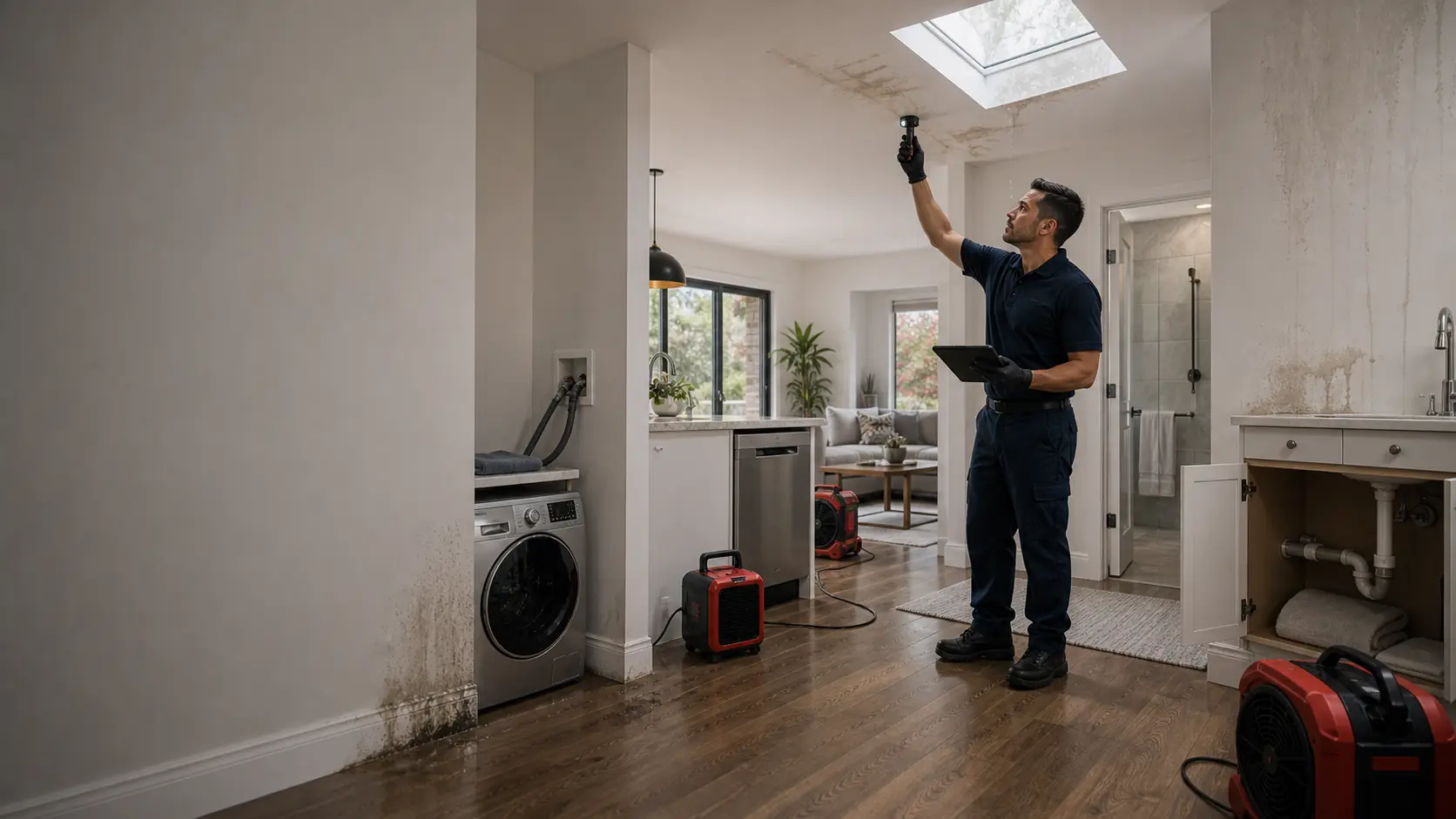
A water stain on the ceiling is easy to ignore — until it spreads or a chunk of drywall comes down. The stain itself is just a symptom; the real question is whether the leak above it is active. Here's how to read the signs and decide whether to worry.

Read guide
3 min readGuide

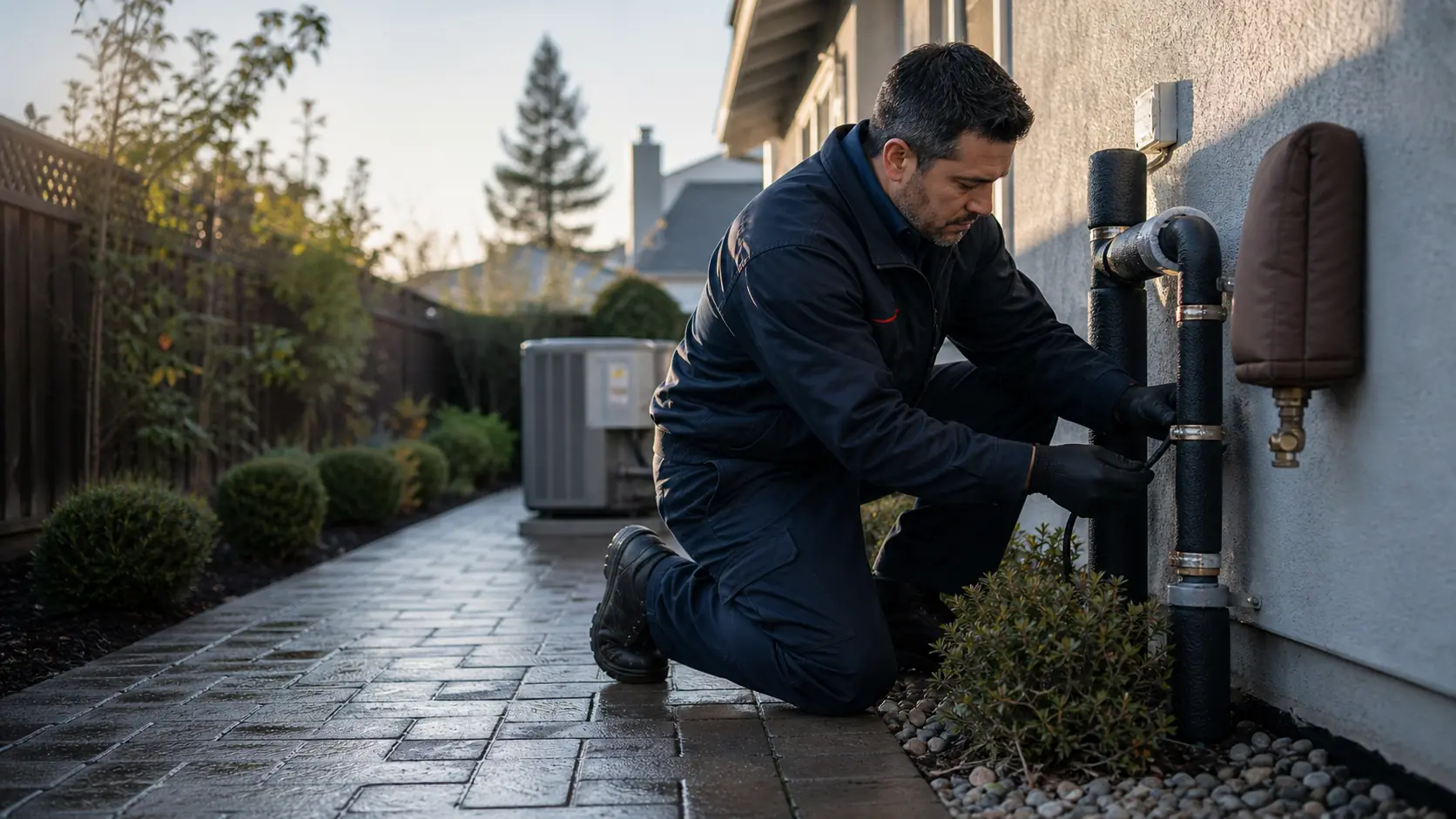
Wildfire Smoke Got Into My Home — Now What?

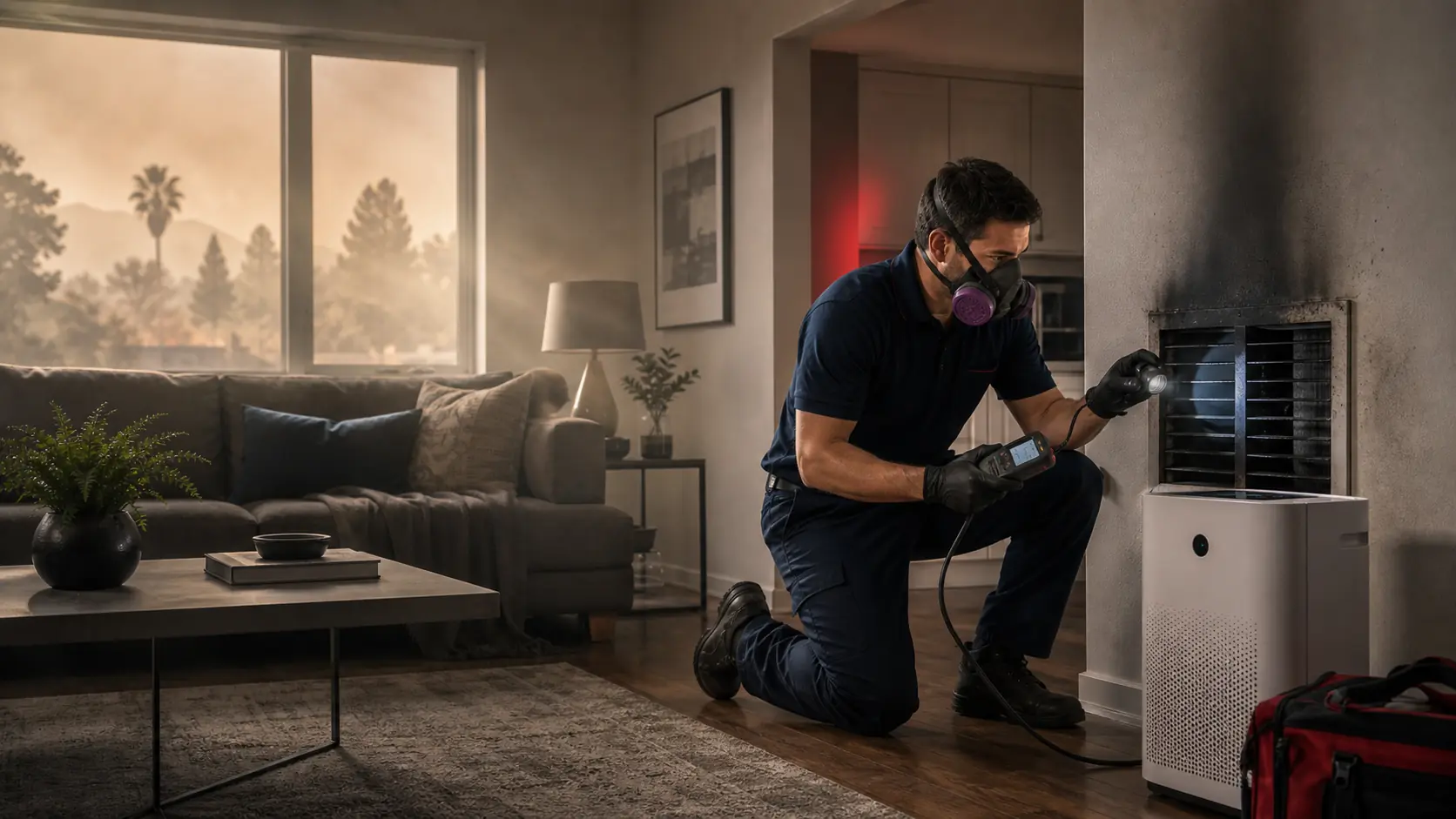
You don't have to be anywhere near the flames for a wildfire to affect your home. During California's fire season, smoke travels for miles, and South Bay homeowners regularly find their houses filled with that acrid smell, a fine layer of ash, and lingering haze long after the air clears outside. Here's what wildfire smoke actually does indoors — and how to deal with it properly. (General information.)

Read guide
3 min readGuide

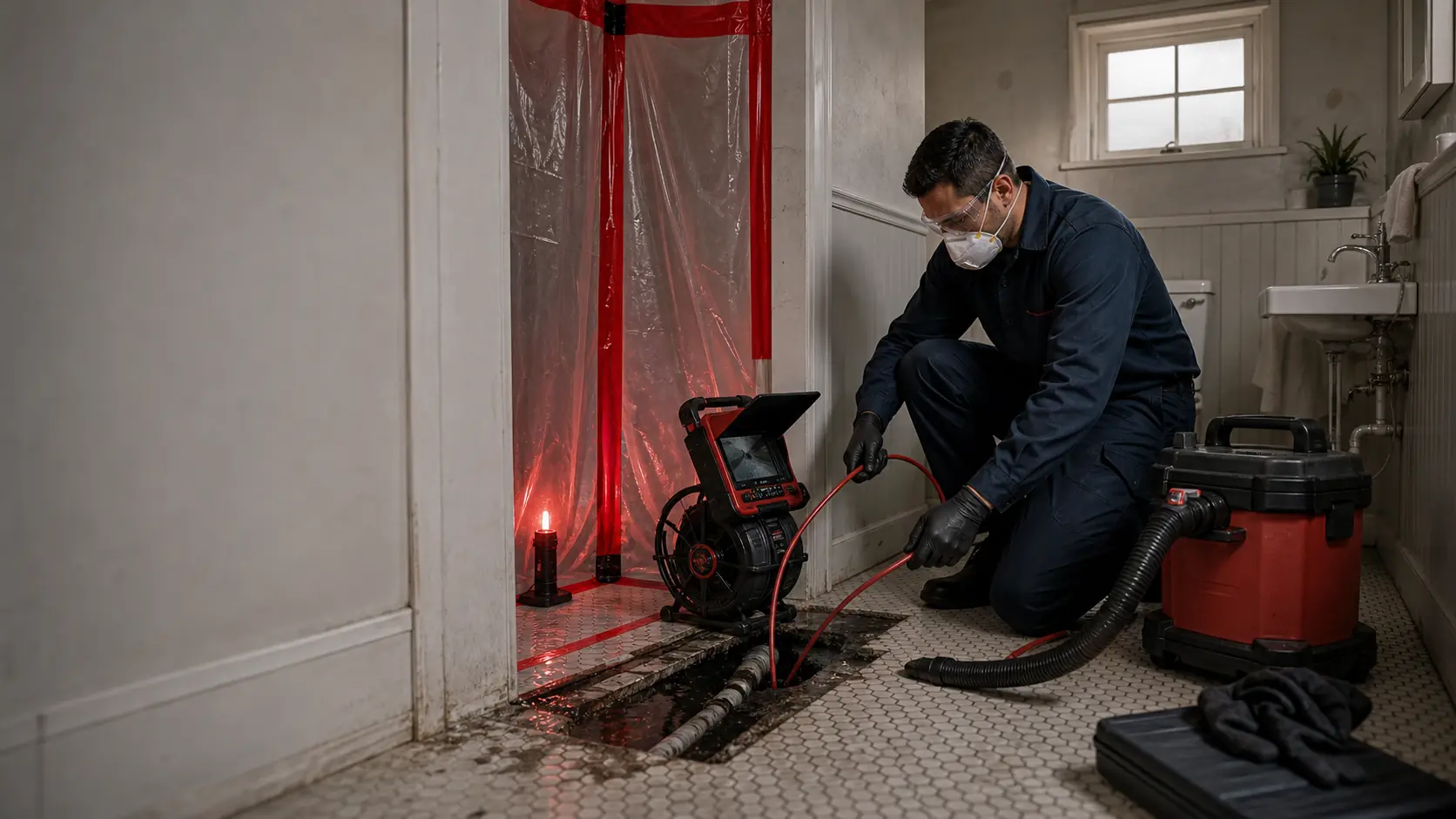
Smoke & Soot Damage: Why DIY Cleaning Makes It Worse

After a fire — even a small one — the instinct is to grab a sponge and start cleaning. It's understandable, but with soot it often backfires: improper cleaning can smear residue deeper, set stains permanently, and spread the damage to areas the fire never touched. Here's why soot is so tricky and what the right approach looks like. (General information.)

Read guide

3 min readGuide

How Fire Damage Restoration Works, Step by Step

Fire damage restoration is more involved than most people expect, because a fire leaves several layered problems behind — char, soot, smoke odor, and water from firefighting — that all have to be addressed together. Here's the full process, step by step, so you know what to expect. (General overview; every job is assessed individually.)

Read guide
3 min readGuide

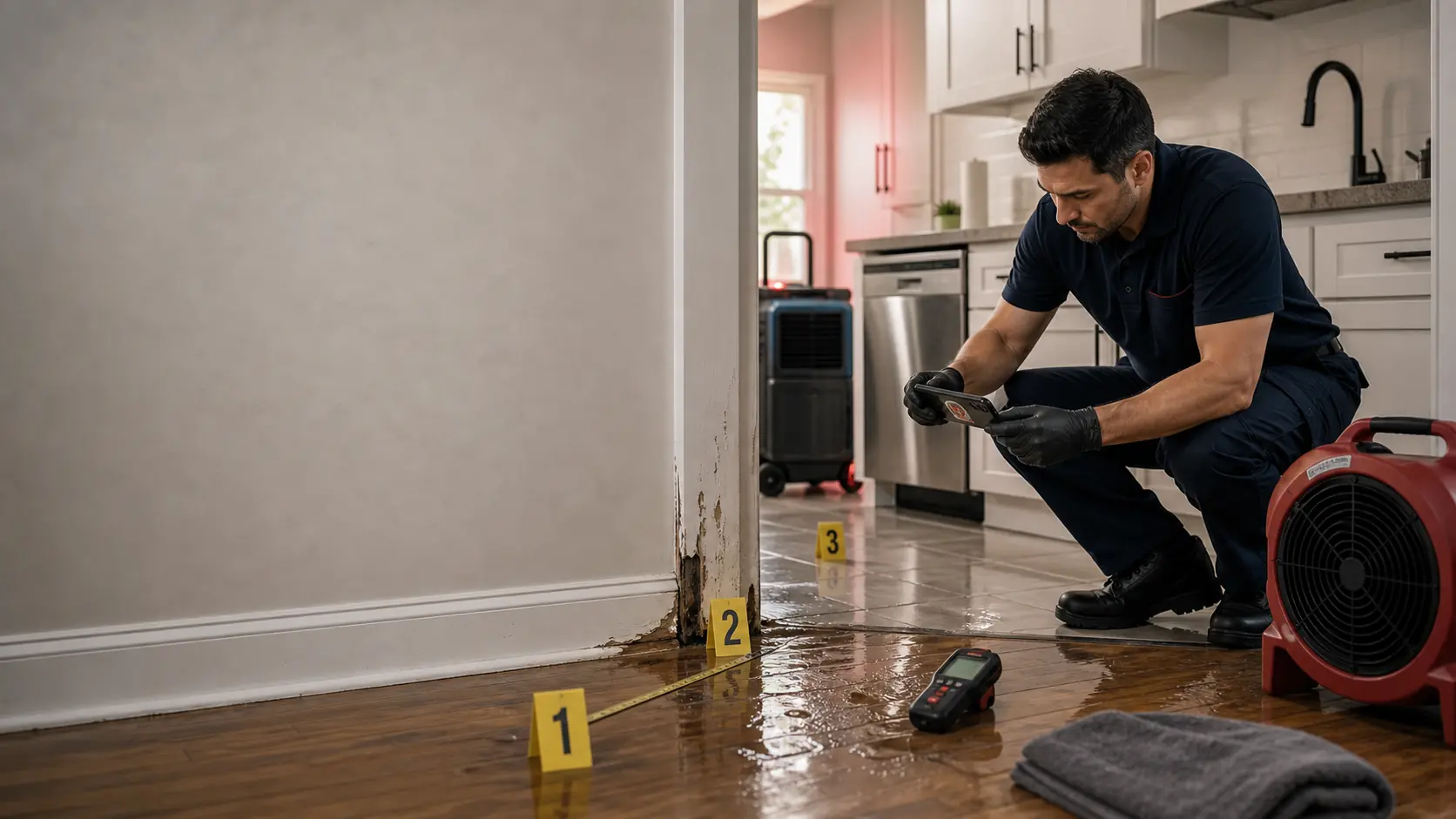
How to Tell If You Have Mold Behind Your Walls

The most problematic mold is the kind you can't see — growing quietly inside a wall cavity, fed by a hidden leak or trapped moisture. By the time it becomes visible, it's often well established. Here's how to catch hidden mold early, before it spreads. (General information, not medical advice.)

Read guide
3 min readGuide

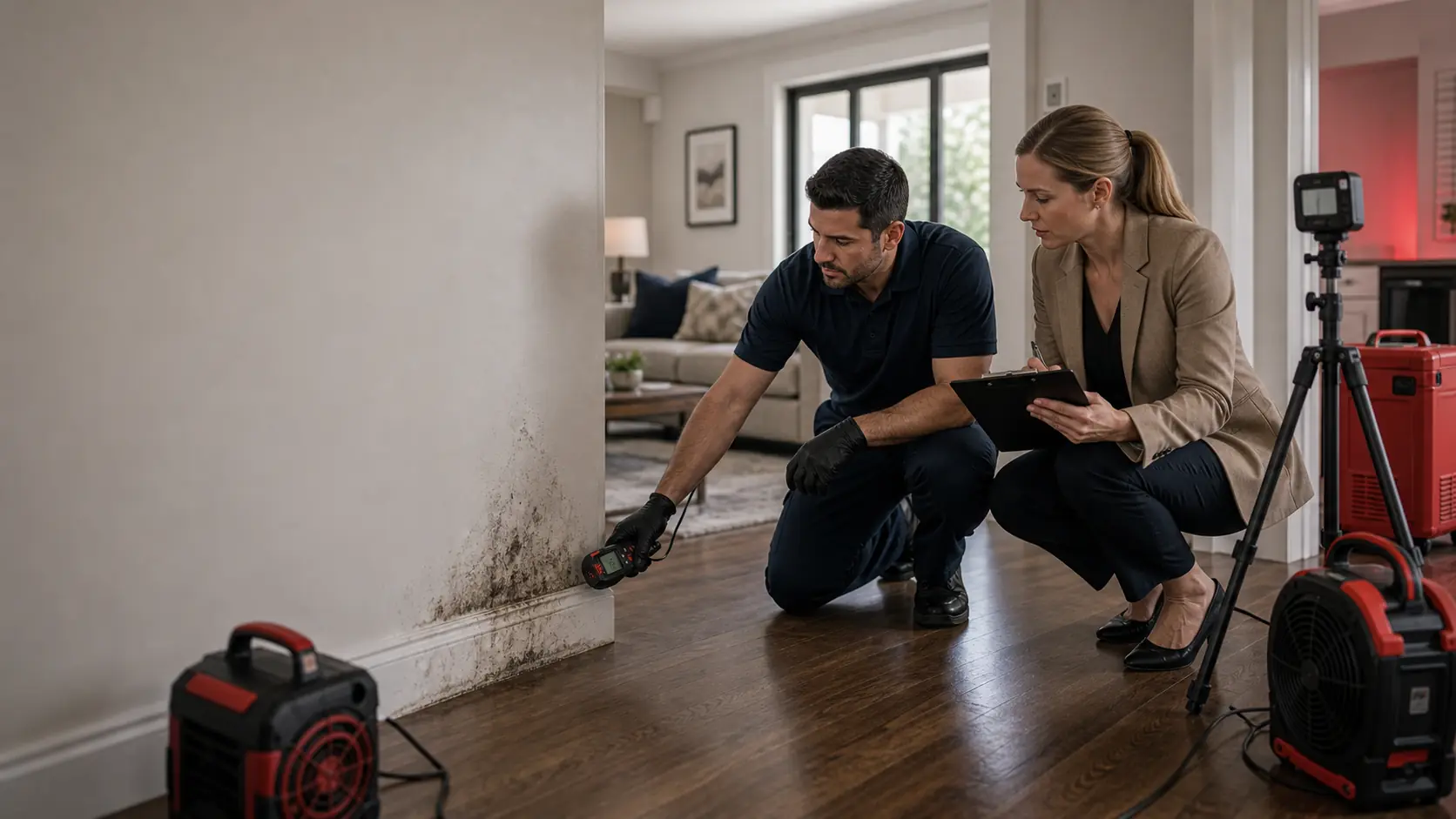
Why San Jose's Climate Makes Mold So Common

You might not think of Silicon Valley as a mold hotspot — it's known for sunshine, not swamps. But San Jose and the broader South Bay actually offer mold several things it loves, and local homeowners deal with it more than you'd expect. Here's why mold is so common here, and what makes certain homes especially prone. (General information, not medical advice.)

Read guide

3 min readGuide

Post-Remediation Mold Testing & Clearance Explained

After mold remediation, how do you know it actually worked — that the mold is gone and won't quietly come back? That's what post-remediation verification, sometimes called clearance testing, is for. Here's what it means and why it matters. (General information, not medical advice.)

Read guide
3 min readGuide

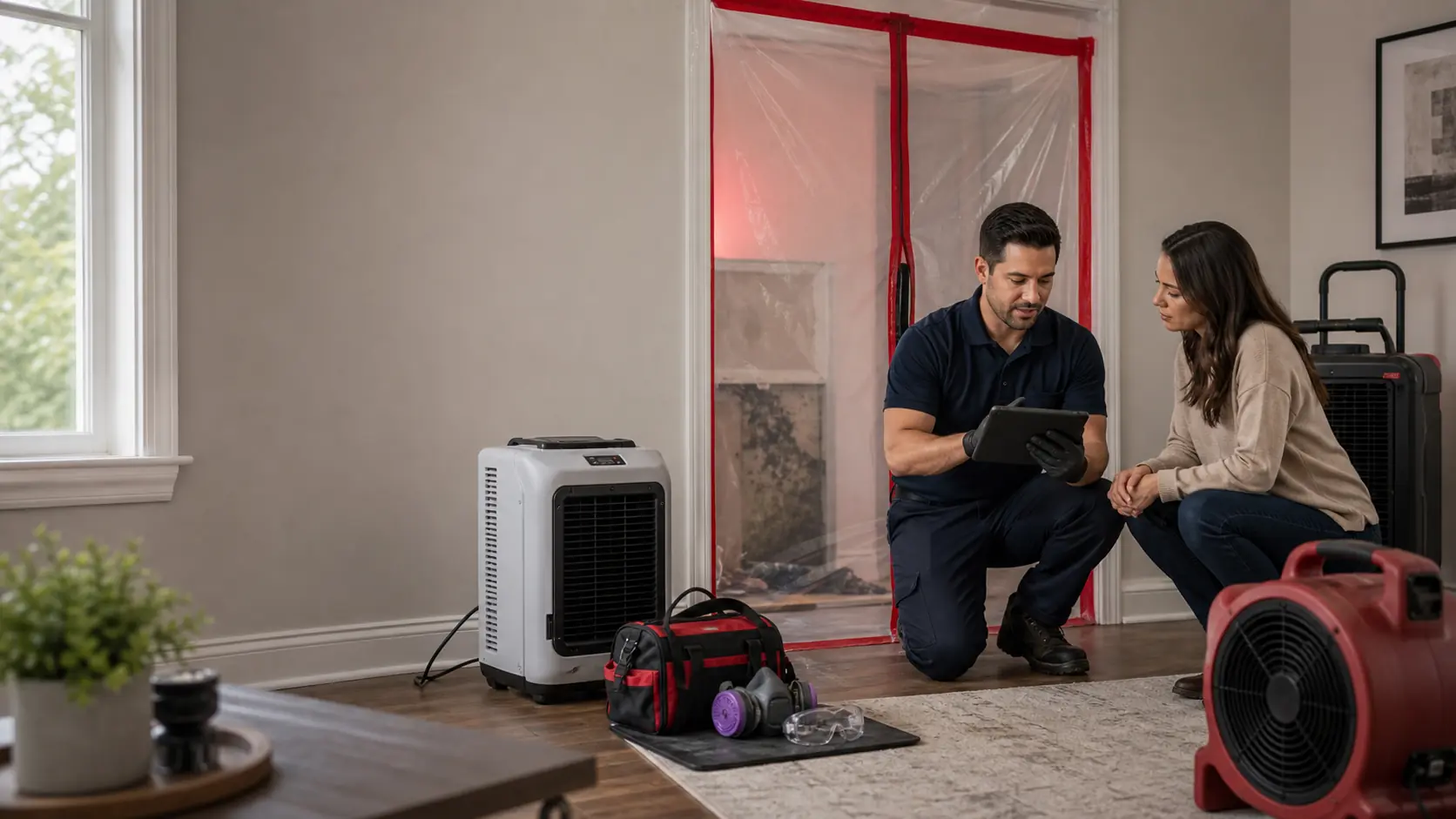
Why Mold Appears After Water Damage (and How to Stop It)

Here's a connection many homeowners learn the hard way: water damage and mold are two chapters of the same story. Deal with the water properly, and mold never gets a chance. Handle it incompletely, and mold shows up days later. Here's why — and how to stop it. (General information, not medical advice.)

Read guide
3 min readGuide
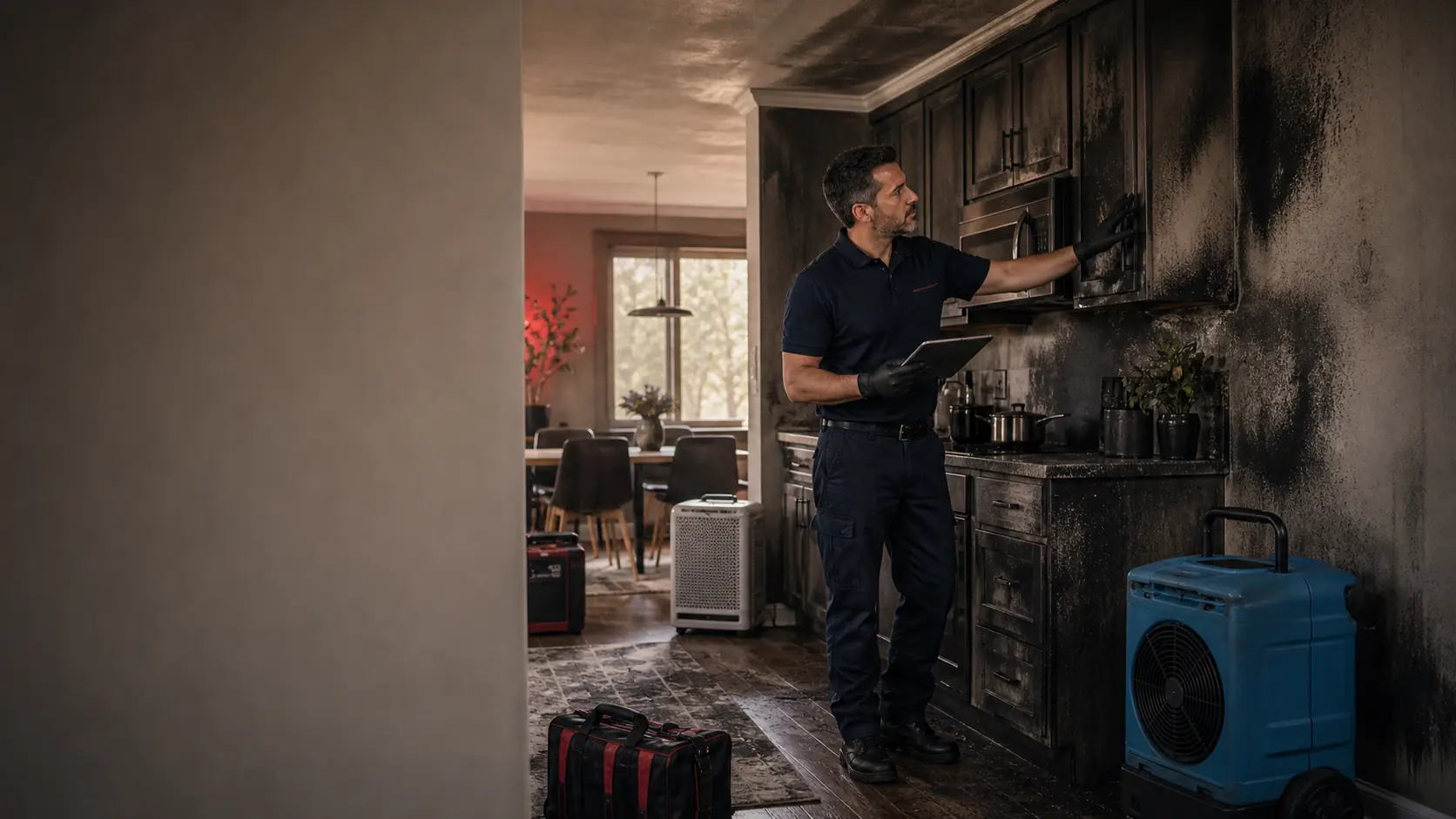
What Causes Musty Smells in a House?

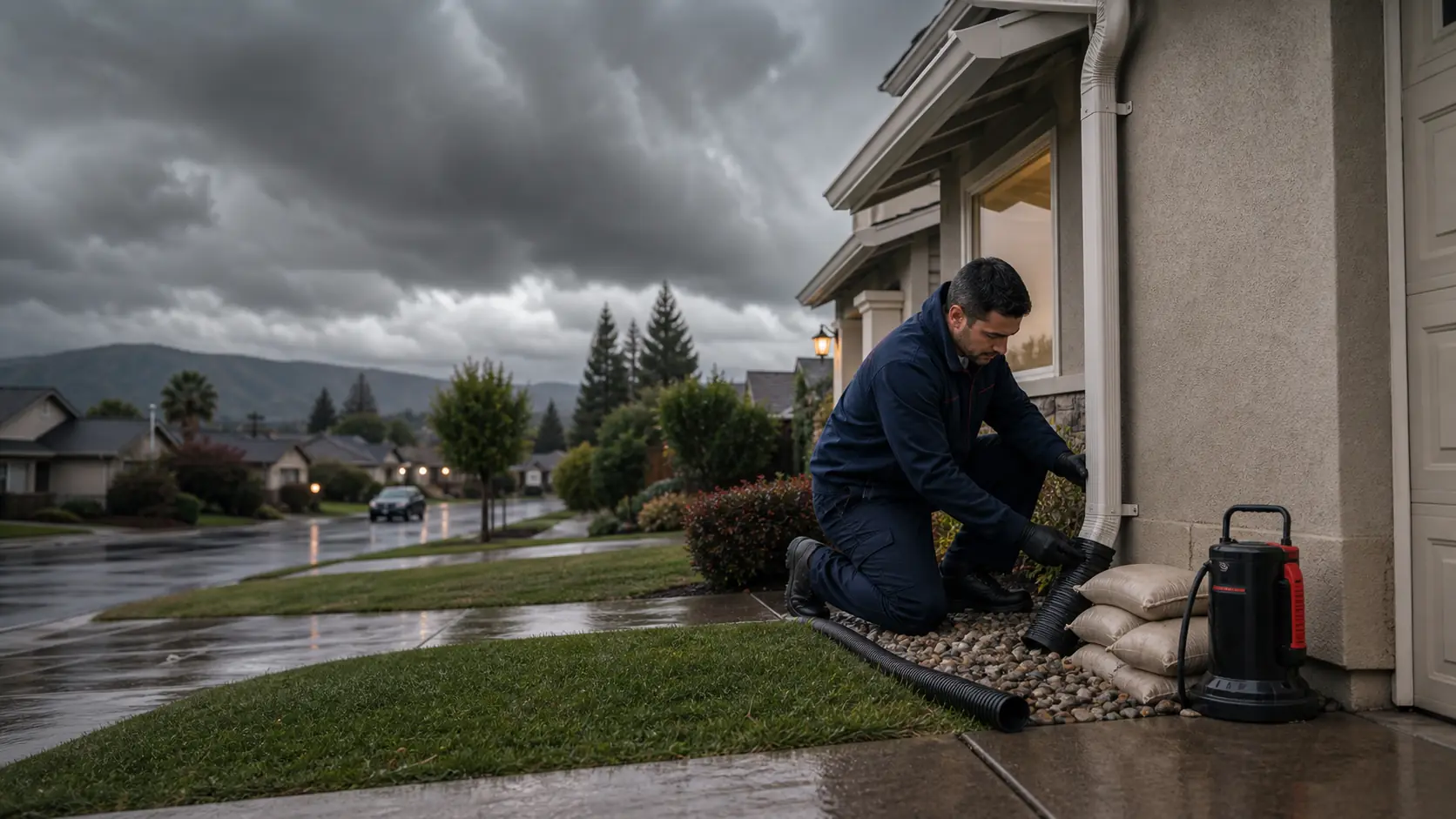
That damp, stale, "old basement" smell is more than unpleasant — it's a message. A musty odor is one of the earliest and most reliable signs of hidden moisture or mold, often showing up before you can see anything wrong. Here's what causes it and what to do. (General information, not medical advice.)

Read guide

3 min readGuide
How to Prevent Frozen & Burst Pipes in a Bay Area Cold Snap

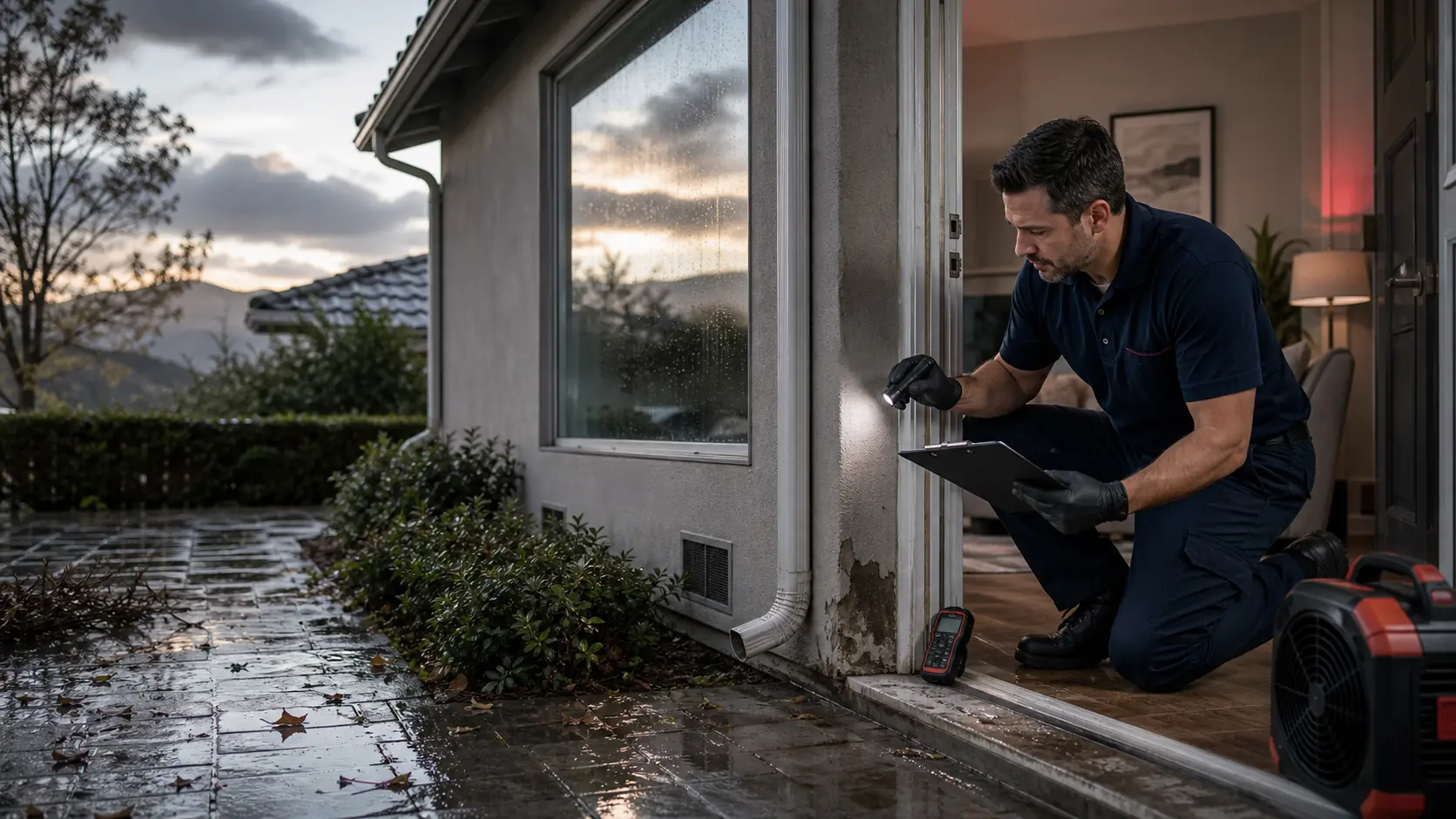
Frozen pipes feel like a problem for snowy states, not Silicon Valley. But here's the counterintuitive truth: *Bay Area homes are often more vulnerable during a cold snap, not less — precisely because our pipes weren't built for freezing weather. When an occasional cold front pushes temperatures below freezing, exposed and under-insulated pipes can freeze, expand, and burst. Here's how to prevent it. (General prevention guidance.)*
Read guide
3 min readGuide

Sewer Line Backups in Older San Jose Homes

If you own an older home in San Jose or the surrounding South Bay, your sewer line deserves more attention than it probably gets. Many of the area's established neighborhoods sit on decades-old sewer lines that are increasingly prone to backups — and a backup brings hazardous Category-3 water into your home. Here's why older homes are at higher risk and what to watch for. (General information.)

Read guide
3 min readGuide

Does Insurance Cover Mold Damage?

Mold coverage is one of the most confusing — and most disputed — areas of homeowners insurance. The honest summary: it depends entirely on what caused the mold, and even when it's covered, the payout is often capped. Here's how it generally works. (General information only — check your policy and confirm with your insurer.)

Read guide
3 min readGuide

Documenting Damage for Your Insurance Claim

When it comes to insurance claims, documentation is everything. The difference between a smooth, fully-paid claim and a frustrating, underpaid one often comes down to how well the damage was recorded. Here's exactly what to capture and keep. (General guidance — follow your insurer's requirements too.)

Read guide
3 min readGuide

How Much Does Mold Remediation Cost?

Mold remediation cost varies widely — from a few hundred dollars for a small, contained spot to several thousand or more for extensive growth inside walls, HVAC systems, or across multiple rooms. As with water damage, there's no honest flat rate; the number depends on a handful of factors. Here's what drives it.

Read guide
3 min readGuide

How Much Does Fire Damage Restoration Cost?

Fire damage restoration cost spans an enormous range — from relatively modest figures for smoke and soot cleanup after a small, contained fire, to very substantial amounts for major fires requiring structural rebuilding. The reason for the wide range is that "fire damage" is really several types of damage layered together. Here's what shapes the cost.

Read guide
3 min readGuide

Atmospheric River Storm Prep for South Bay Homeowners

If you've lived in the Bay Area through a winter, you've met an atmospheric river — those long plumes of tropical moisture that park over Northern California and drop staggering amounts of rain in a short time. They're responsible for the South Bay's most serious storm flooding, roof leaks, and water intrusion. The good news: most storm damage is preventable with preparation done before the rain arrives. Here's your prep guide. (General preparedness guidance.)

Read guide
3 min readGuide

What to Do When the Rainy Season Floods Your Home

When a winter storm pushes water into your home — through the roof, a window, the foundation, or an overwhelmed drain — the steps you take in the first hour shape the outcome. Storm flooding has a few wrinkles that ordinary leaks don't (contaminated water, ongoing weather, power risks), so here's exactly what to do. (General guidance; follow any official emergency instructions.)

Read guide
3 min readGuide

After-Storm Home Damage Checklist

When a big storm finally clears, the relief is real — but the work isn't over. Storm damage often hides, and the steps you take in the days after determine whether problems get caught early or surface as expensive surprises (and mold) weeks later. Here's a thorough post-storm checklist. (General guidance; follow official instructions and don't take safety risks.)

Read guide
3 min readGuide

Restoration Resources for South Bay Homeowners (Local Guide)

When disaster hits your home, knowing who to call and where to turn saves precious time. This local guide pulls together the resources South Bay homeowners may need before, during, and after a water, fire, or storm emergency — alongside the immediate steps to take. (Verify all contact details below before relying on them; numbers and links change.)

Read guide
3 min readGuide

Leaving Town This Summer? Prevent Water Damage in an Empty Home

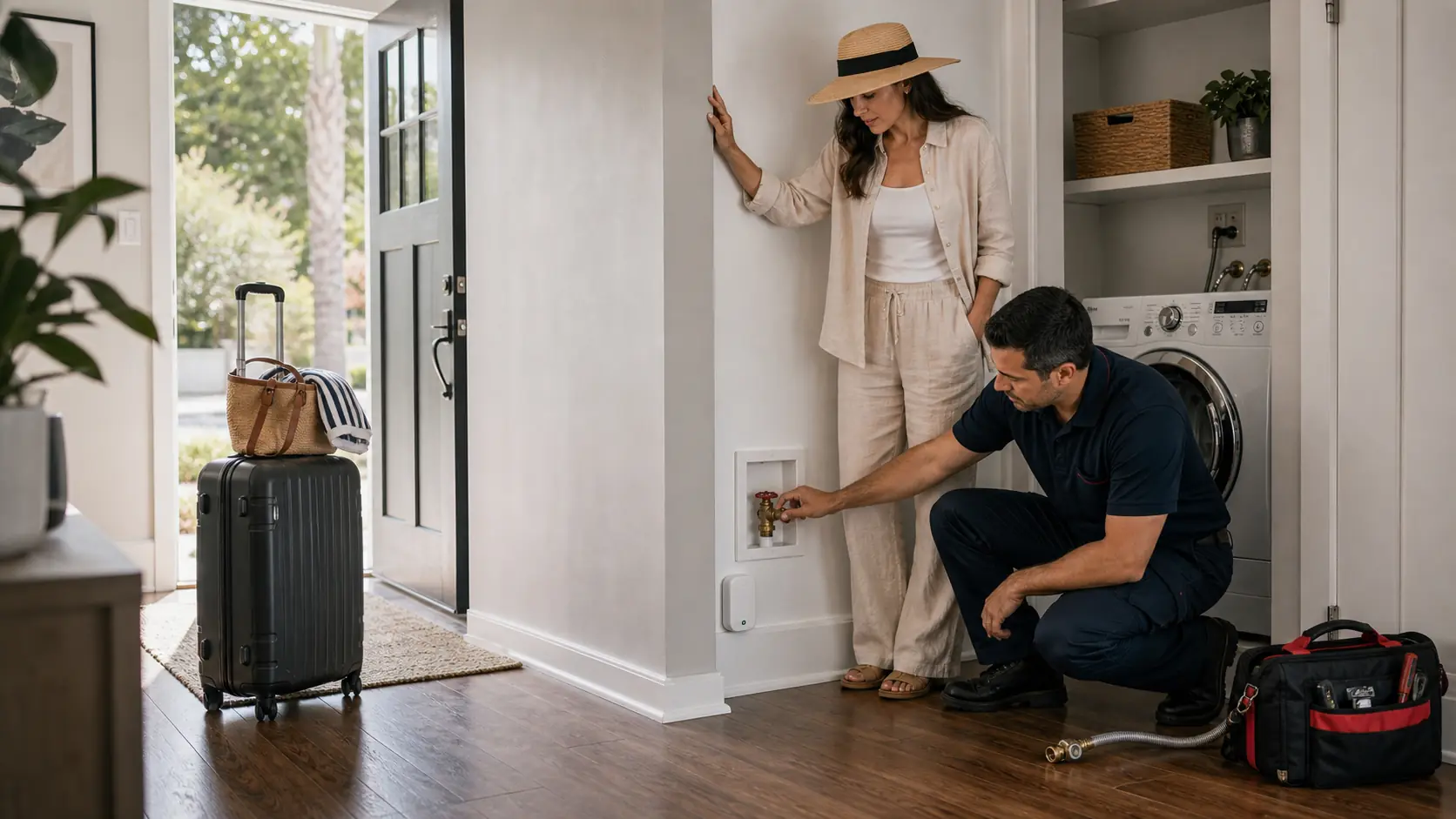
There's a particular kind of homecoming nobody wants: walking back in after a trip to find water has been running — or pooling — for days. An empty home is uniquely vulnerable, because a leak that would be caught in minutes when you're home has nobody to notice it. A few minutes of prep before you leave can prevent thousands of dollars in damage. (General prevention guidance.)

Read guide
3 min readGuide

Top Causes of Water Damage in Silicon Valley Homes

After enough restoration jobs across the South Bay, clear patterns emerge — the same handful of causes account for most of the water damage local homes suffer. Knowing them helps you focus your prevention where it matters. Here are the top causes in Silicon Valley homes, and what to do about each. (General prevention guidance.)

Read guide
3 min readGuide

What Does "IICRC Certified" Actually Mean?

When you're choosing a restoration company, you'll see "IICRC certified" advertised — but what does it actually mean, and why should you care? It's one of the most meaningful credentials in the industry, and understanding it helps you hire with confidence. Here's the plain-English explanation.

Read guide
3 min readGuide

Spring Home Maintenance to Prevent Water & Mold

After a Bay Area winter of atmospheric rivers and steady rain, spring is the ideal time to check your home for the moisture problems the wet season may have started — before they turn into mold or structural damage over the warmer months. Here's a focused post-winter checklist. (General prevention guidance.)

Read guide
View all guides