Campbell's older Craftsman and ranch homes can have aging drain lines, and low-lying or creek-adjacent areas can see storm-related drainage stress. Contaminated water can reach subfloors, crawl spaces and wall bases quickly.
Common local sewage cleanup scenarios
Main sewer line backups in older residential streets.
Toilet overflows that reach flooring or adjacent rooms.
Contaminated crawl-space water after plumbing or storm events.
Commercial restroom backups in downtown or retail spaces.
Certified cleanup and drying
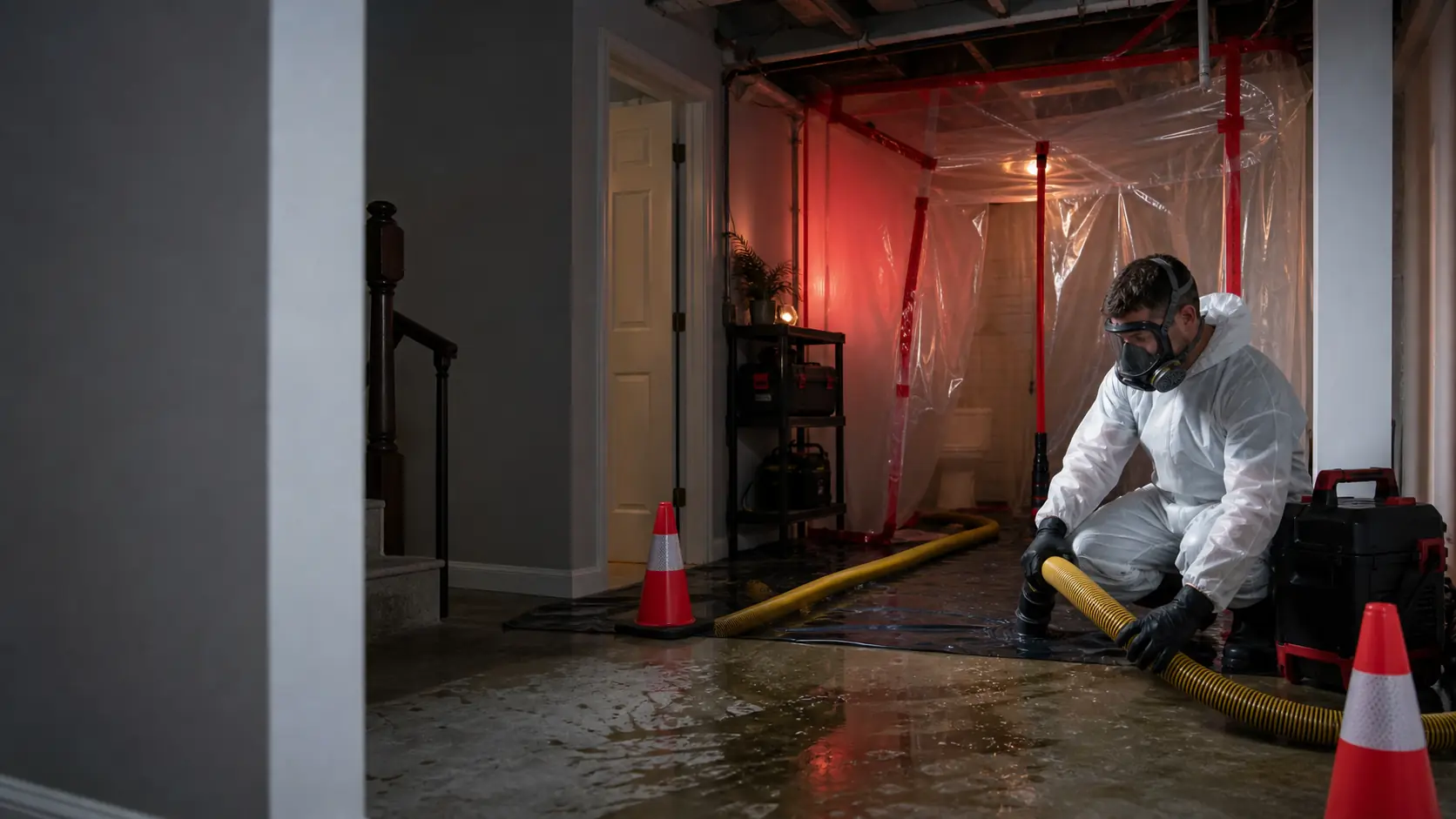
We isolate the affected area, extract contaminated water, remove unsalvageable materials, disinfect, deodorize and dry hidden moisture so the property can move toward repair.
FAQs
Should I keep using plumbing after a sewer backup?
No. Stop water use until the source is controlled so the backup does not continue.
Do you handle crawl-space sewage contamination?
Yes. We assess access, remove contaminated material where required, disinfect and dry the area.
How fast can you reach Campbell?
Emergency response is typically about 45 minutes, any hour.
Related guides
Campbell restoration resources
Guides that support sewage cleanup decisions for Campbell property owners.
A sewage backup is one of the few home emergencies that's genuinely a health hazard, not just a mess. The water involved — what the industry calls Category 3 "black water" — carries bacteria, viruses, and other pathogens. This is the one situation where the "what NOT to do" list matters as much as the cleanup itself. Here's what you need to know. (General information, not medical advice — for any exposure or health concerns, contact a doctor.)
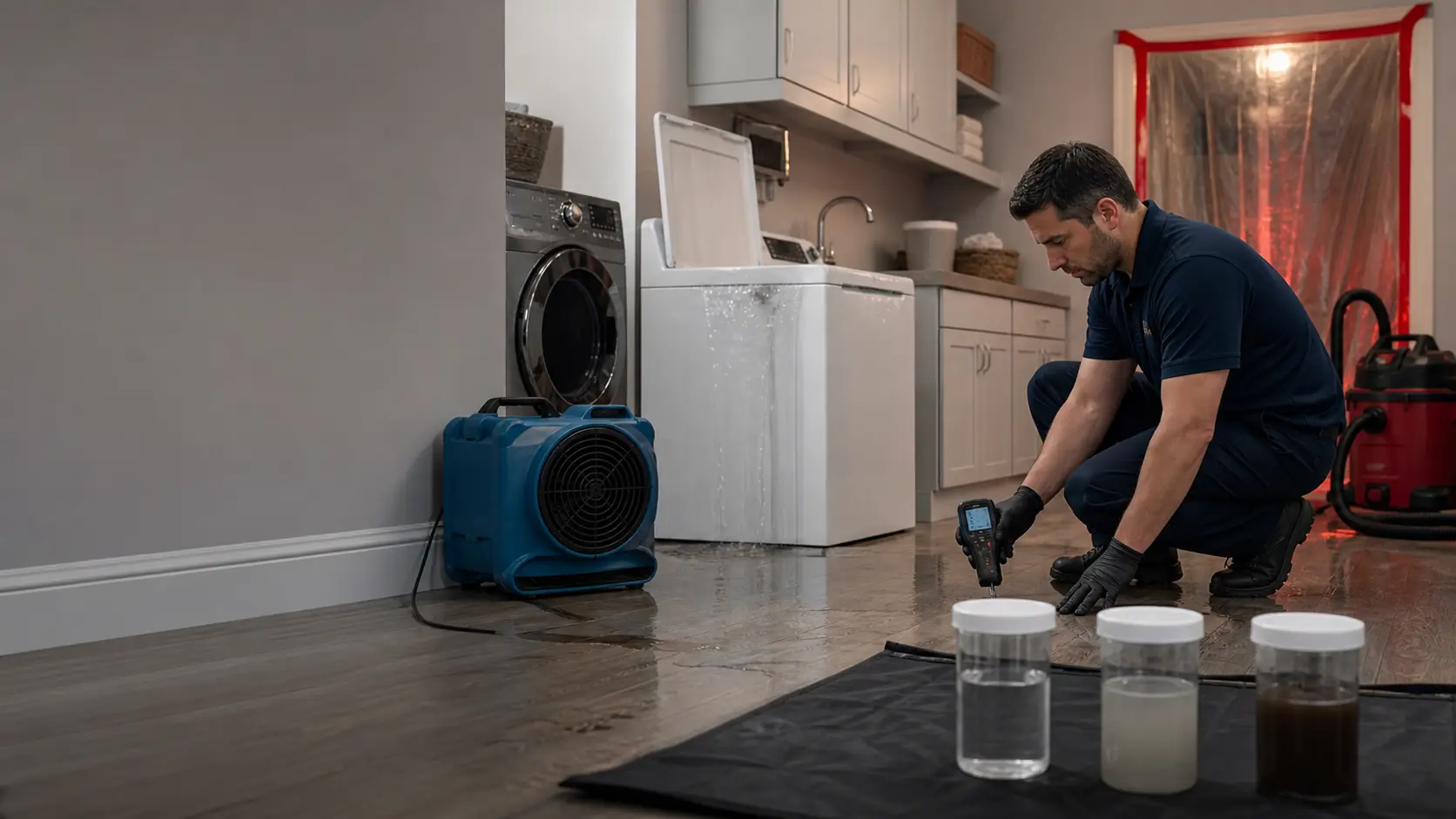
Not all water damage is equal. The restoration industry classifies water into three categories based on how contaminated it is — and that category determines how the cleanup must be handled, what can be saved, and the safety steps required. Here's what each means in plain English.
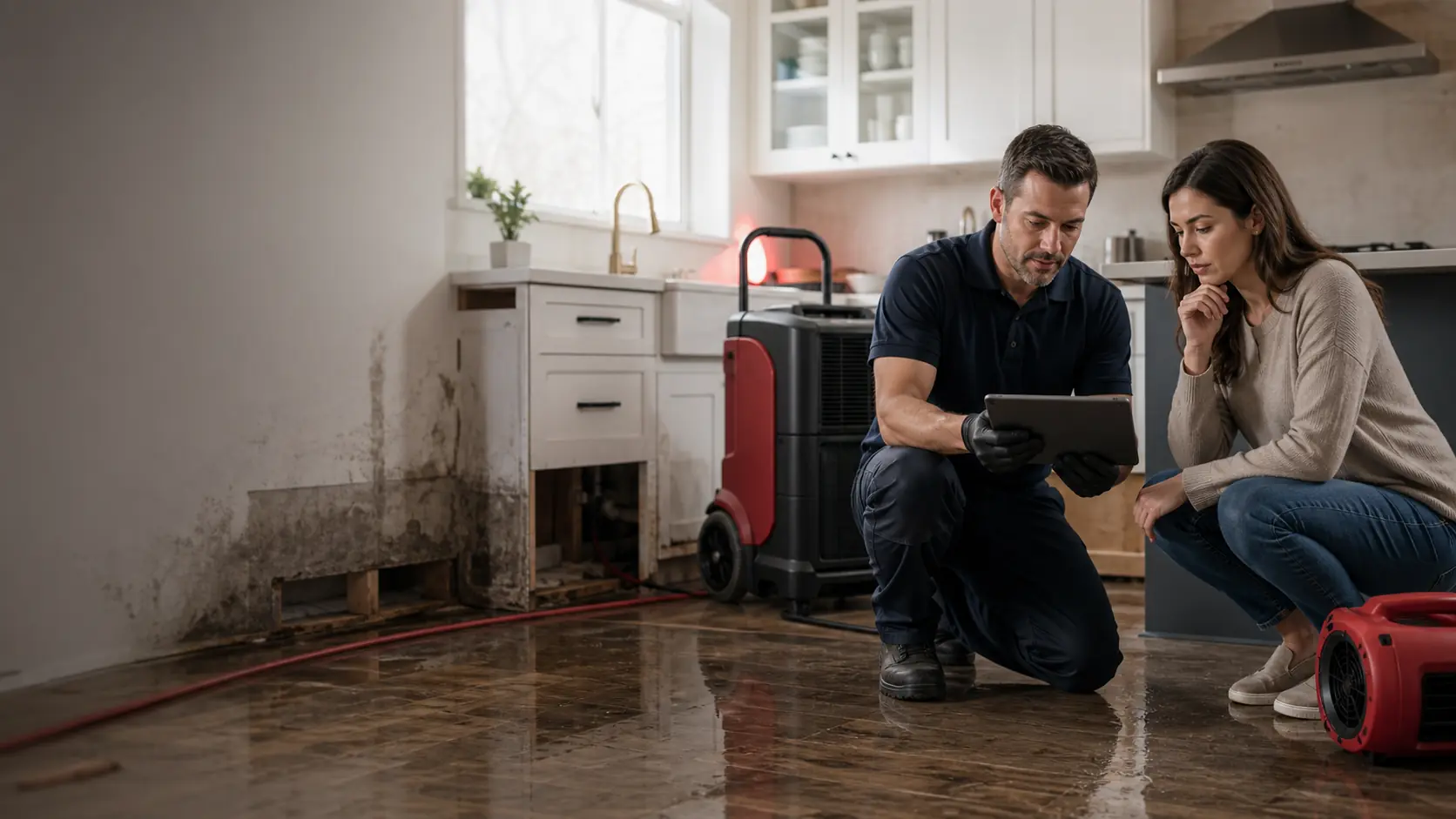
It's the question on every homeowner's mind the moment water appears: will my insurance pay for this? The general answer is that homeowners policies typically cover water damage that's sudden and accidental — but not damage from gradual neglect or from flooding, which is a separate category. Here's how to tell which bucket your situation falls into. (This is general information, not insurance advice — always check your specific policy and confirm with your insurer.)